Relaxed wedding timeline
By Sannaz Noor
A Frame for Every Moment
photo-friendly & a relaxed wedding timeline
If you’re here, I’m guessing you’re engaged, and it’s time to plan the wedding. One detail people underestimate every time: the timeline. Not the flowers, not the seating chart. The actual hour-by-hour schedule of your day.
Here’s why it matters so much. Your wedding day flies by. As your photographer, I want you fully in it, not rushing from one checkpoint to the next. A timeline isn’t a cage. It’s what gives you room to actually be there, with your person, with your family, with the moment.
As your wedding photographer, I will, of course, make sure that the focus lies on the art of telling your story and all the emotions that come with it.
Picture-Perfect Planning
What Makes a Timeline Photo Friendly?
A well-built timeline does two things at once. It tells your photographer exactly where the emotional beats of your day are, so nothing gets missed. And it removes the stress of rushing, so you and your guests can actually enjoy the day instead of performing it.
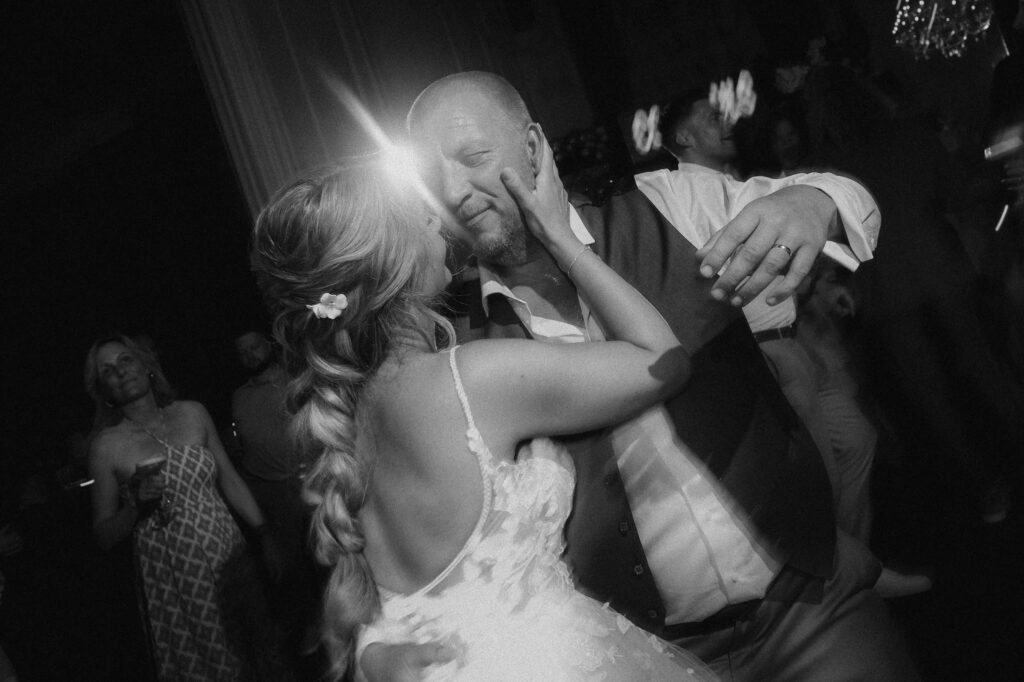
Think of it as a map to the moments that matter: the chaos of getting the dress zipped, the first look, the toast that makes your dad cry, the last dance. Without a plan, you risk losing time to logistics instead of spending it on each other.
Below are four real timelines (Dutch, American, and European) you can copy and adjust.
Building the Day, Section by Section
Here’s how a typical wedding day breaks down, moment by moment, from the first cup of coffee to the last dance. Some of these will stretch or shrink depending on your culture and your venue, but the order tends to stay the same.
Rise & Shine: Getting Ready
Up to 4 hours
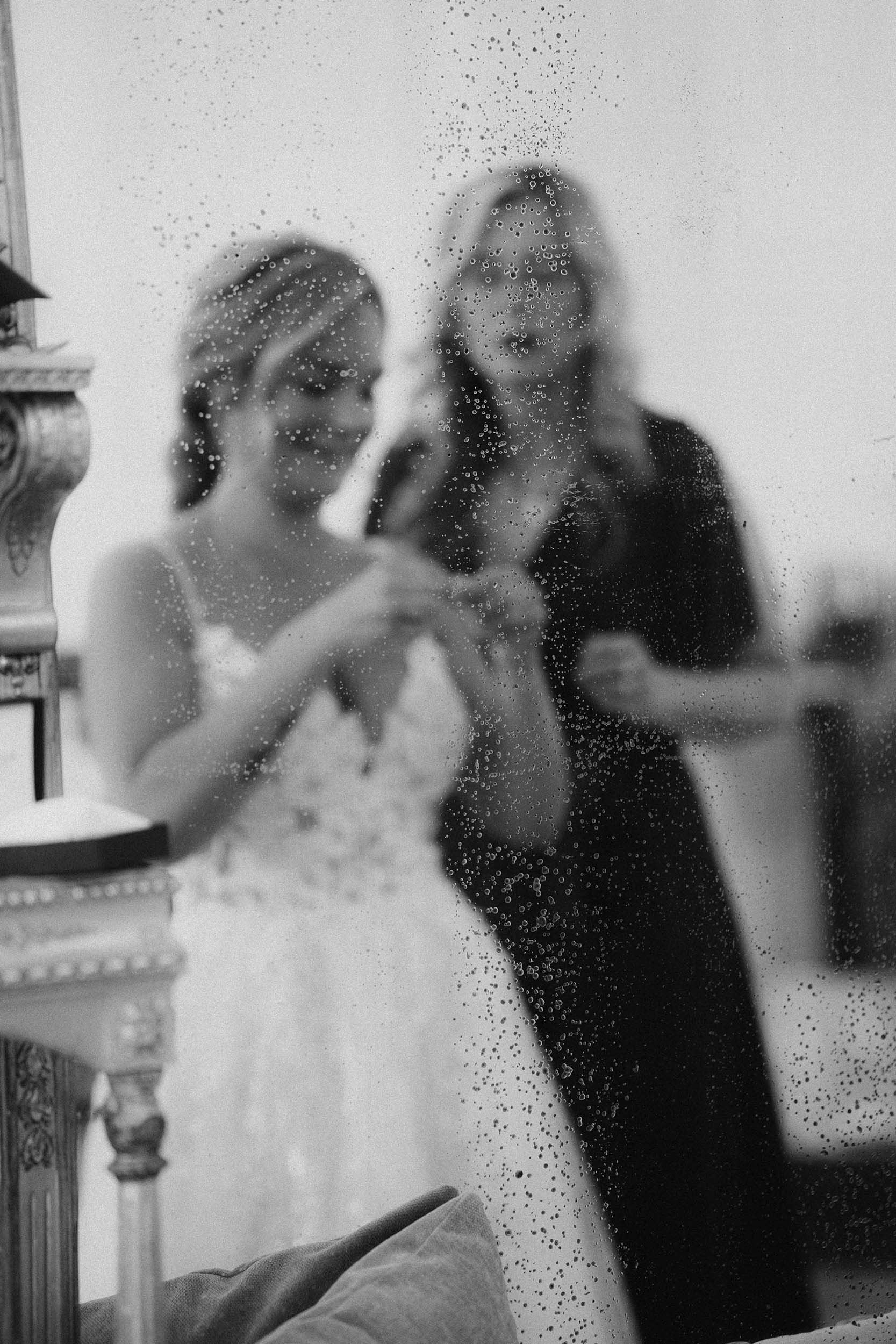
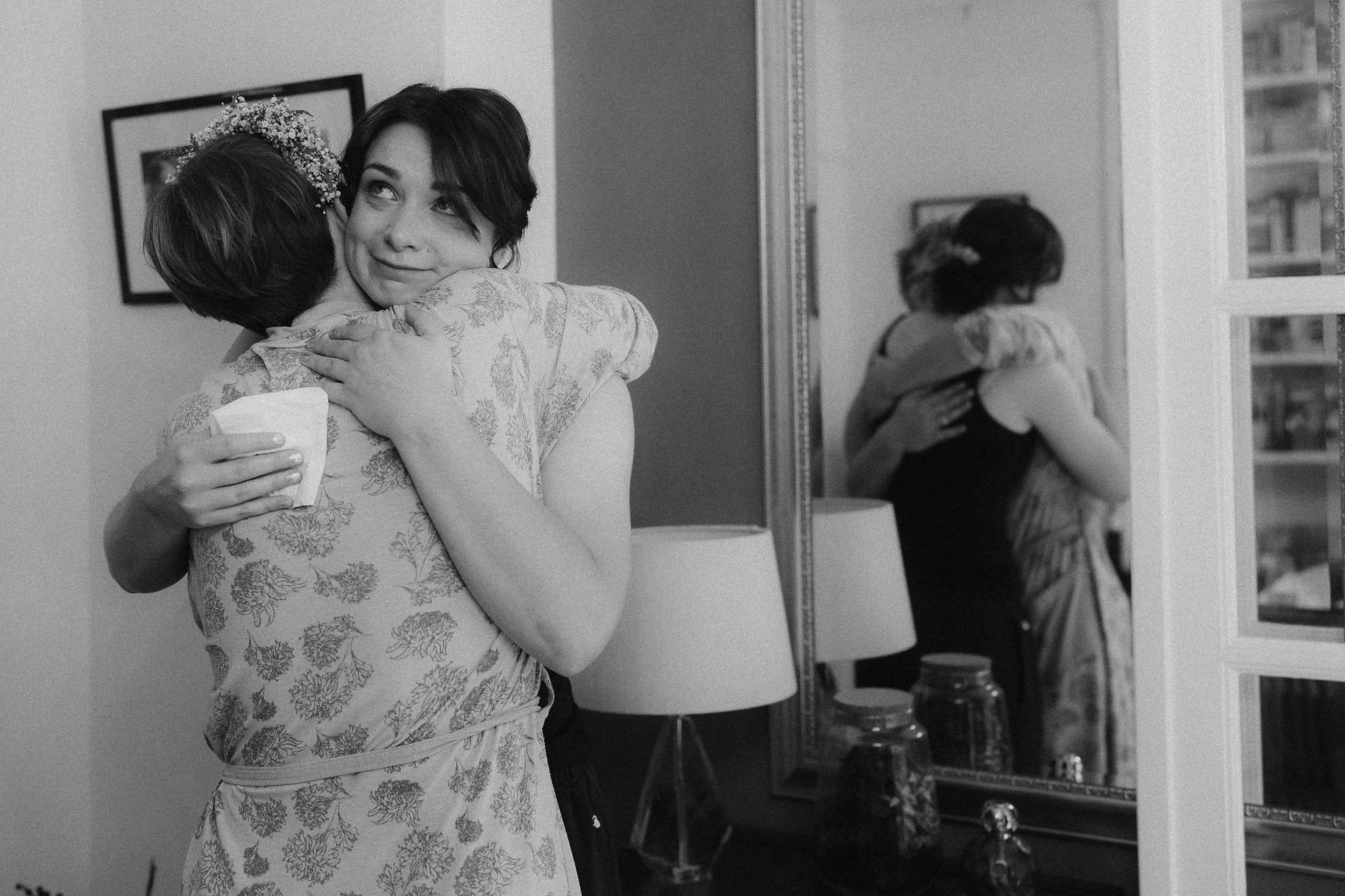
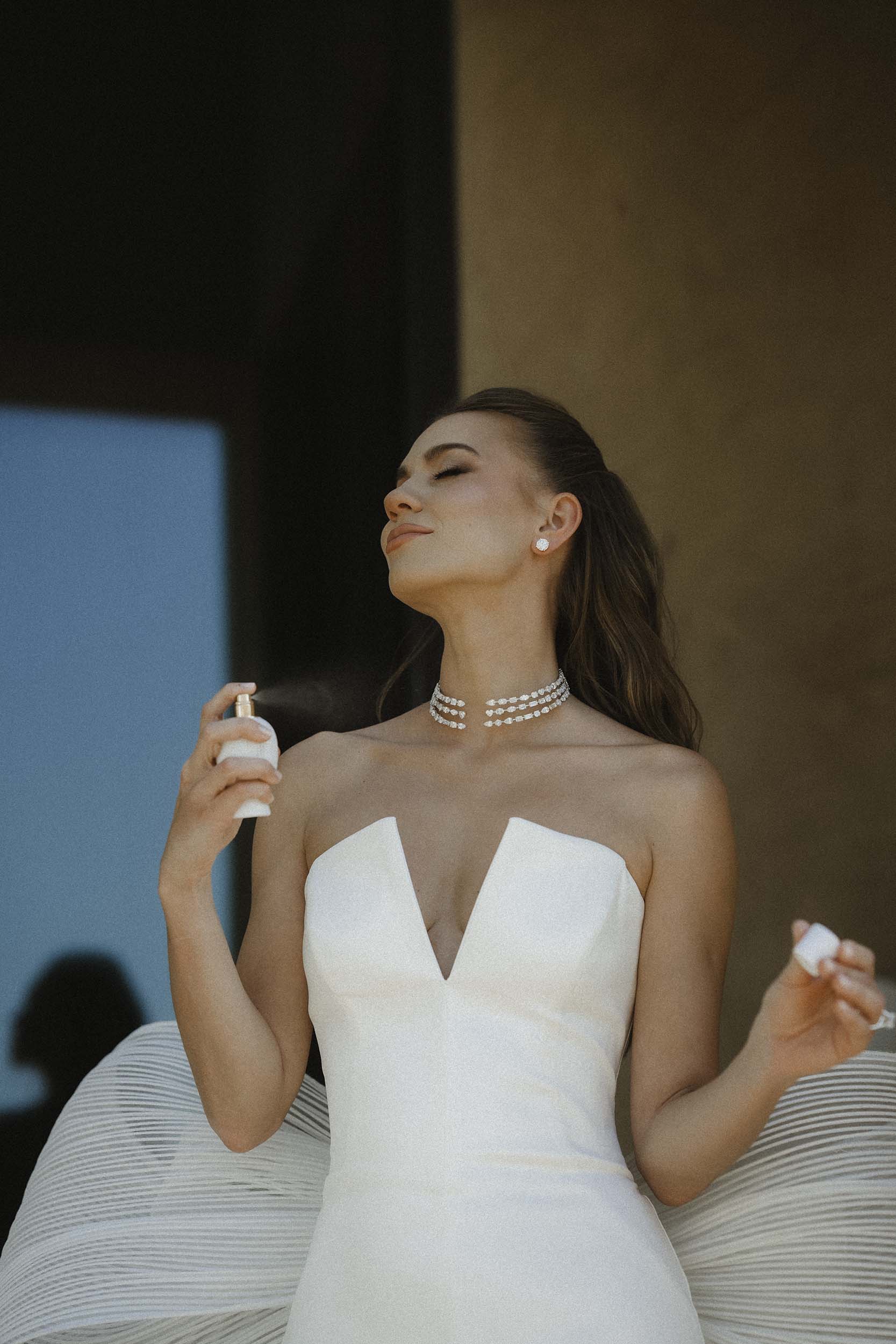
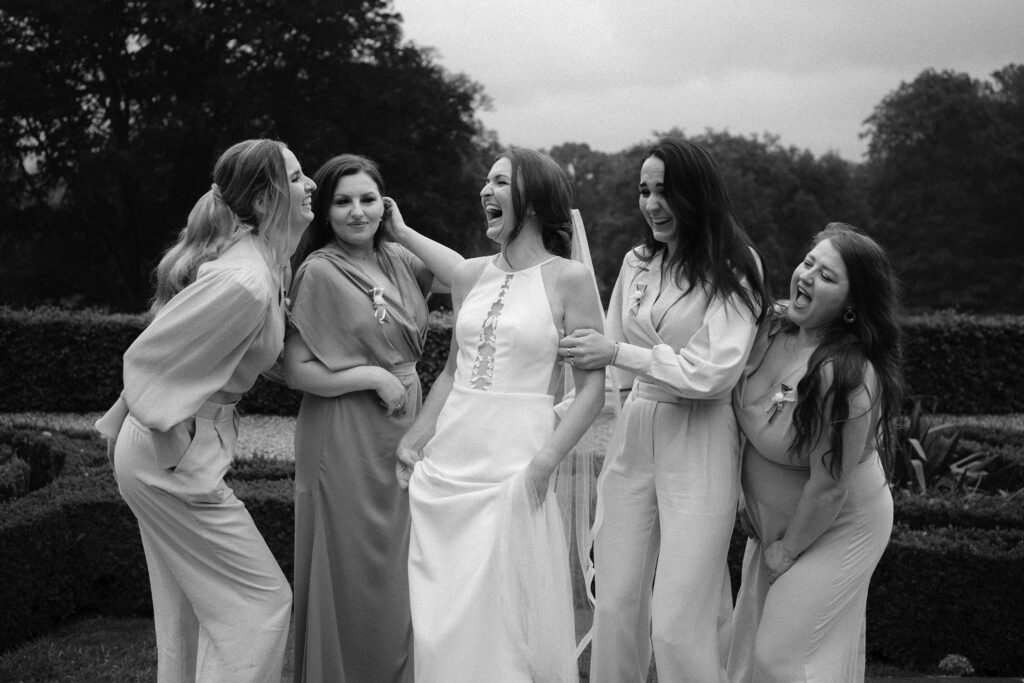
Start the day right by giving yourselves plenty of time to get ready. This isn’t just hair and makeup; it’s the spontaneous moments with your bridesmaids, your mom getting emotional, the laughter while someone fights with a zipper. I usually photograph the final 60 minutes before the dress goes on, since that’s where the atmosphere lives. Most makeup artists ask for 2 to 3 hours for the bride.
Don’t forget to schedule a first look with your father, brothers, sisters, or friends!
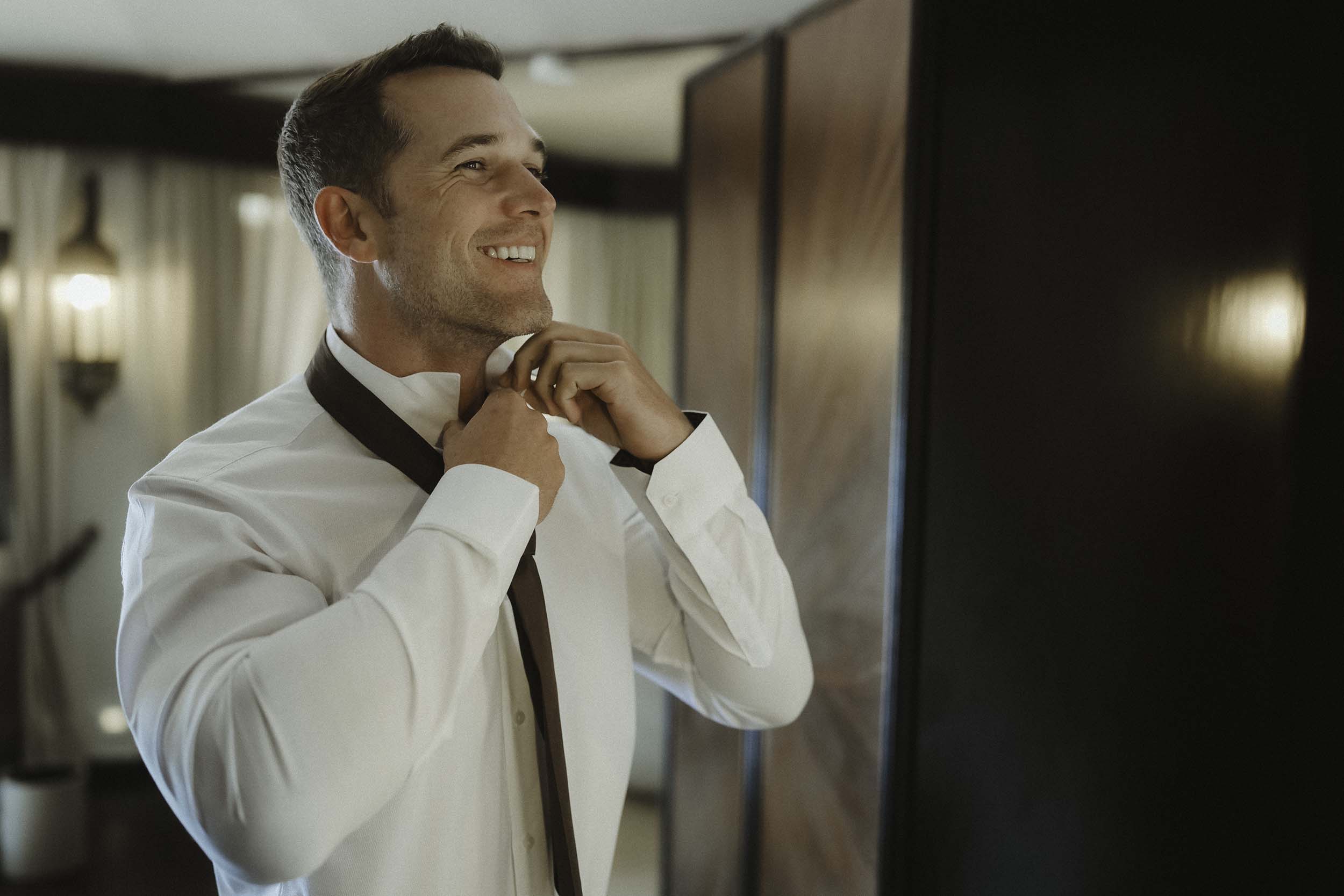
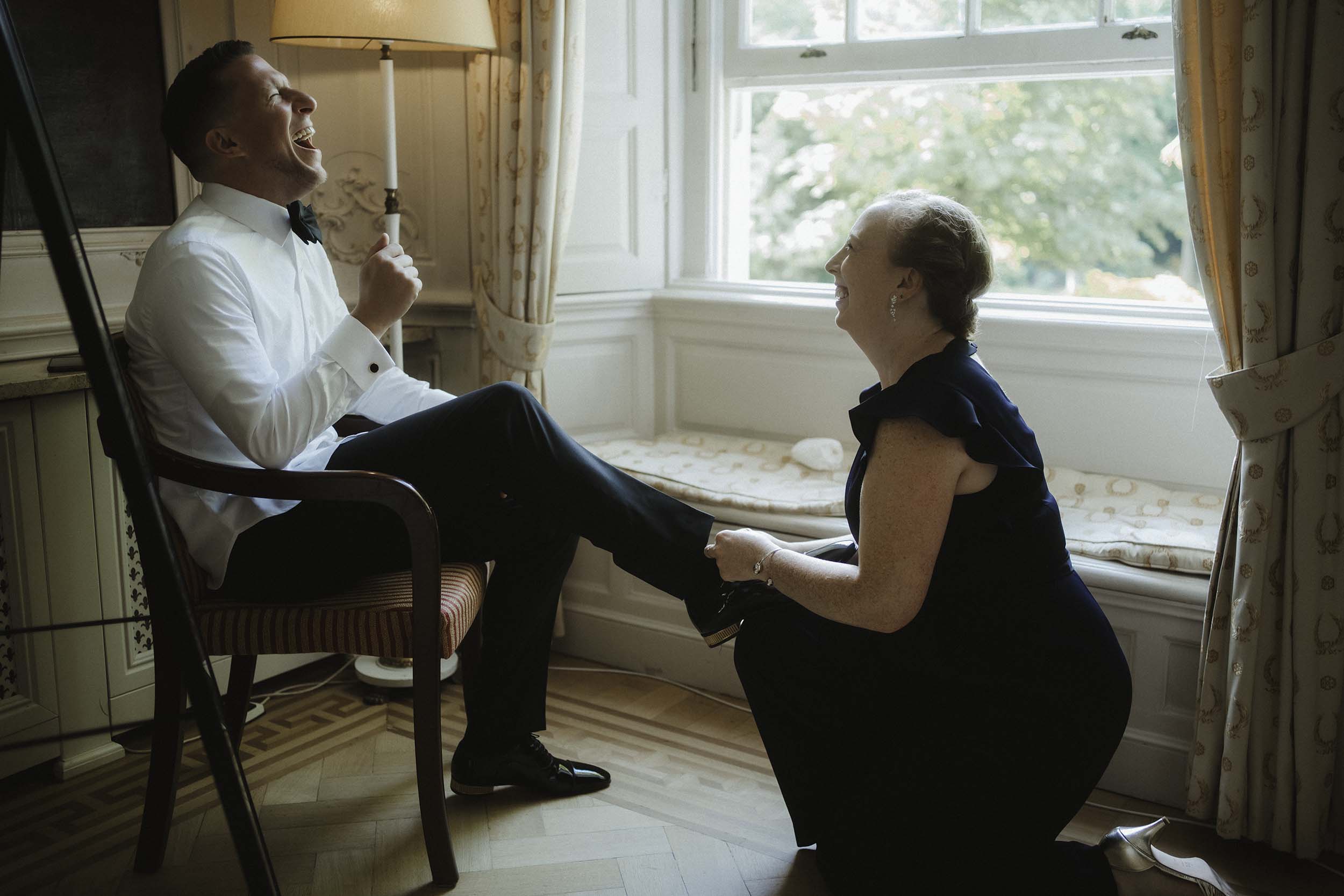
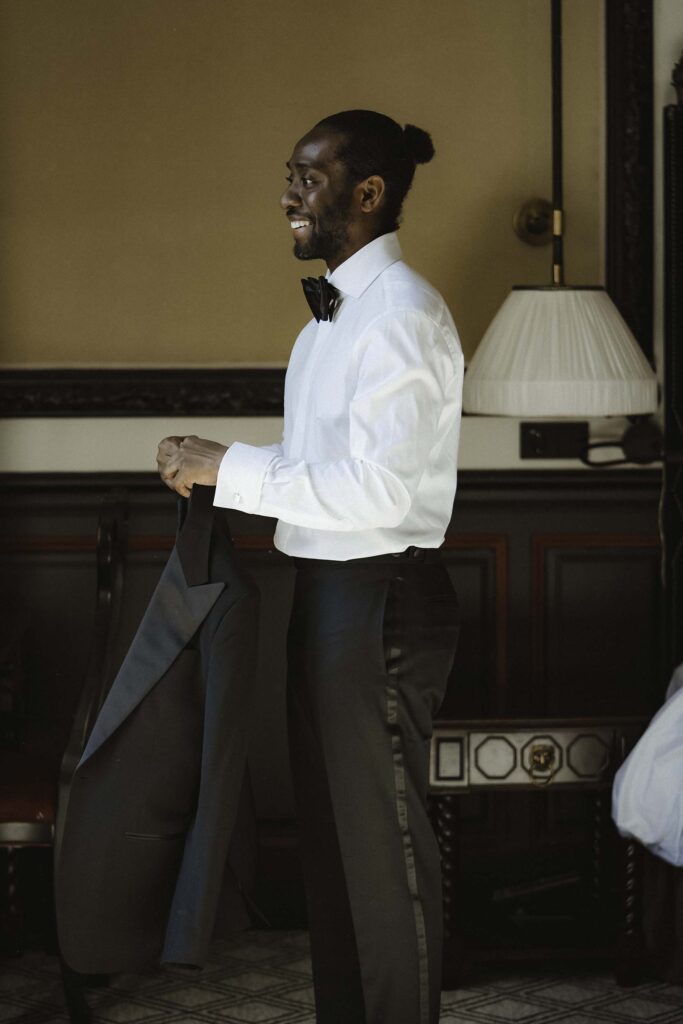
While the focus is often on the bride, the groom deserves his moment to shine, too. People often think the groom’s getting-ready process doesn’t need much, but it’s the opposite. Start the morning with breakfast with family and friends. Walk the dog, help get the kids dressed, or sneak in a round of video games. Add in a shaving shot, or even a shower scene, while you’re at it. More and more brides are requesting this!
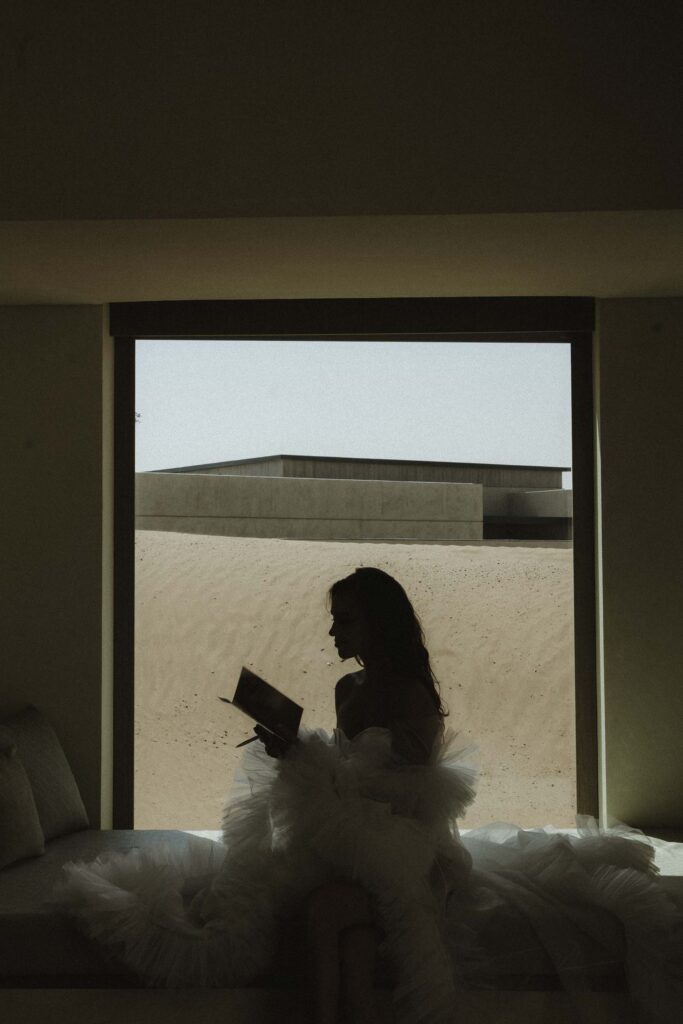
And since men tend to get dressed faster, there’s plenty of time in the morning to write out your vows in a nice journal. These seemingly everyday activities reveal the true personality and emotions of the groom and offer unique opportunities for unforgettable photos.
Mini boudoir
A Little Bit of Extra
As a bride, you might also want something a little extra in the morning. How about some elegant boudoir photos? You can reserve an extra half hour in the morning to take stylish photos before you put on your full outfit. You’re already beautifully made up, and this way you’ll feel extra gorgeous!
Afterwards, you’ll also have a little surprise to give your partner. Trust me, no partner will be disappointed. I’ve had very grateful partners who were thrilled with these photos and asked when the second session would be. The mini boudoir session adds a touch of glamour to memories you’ll never forget.
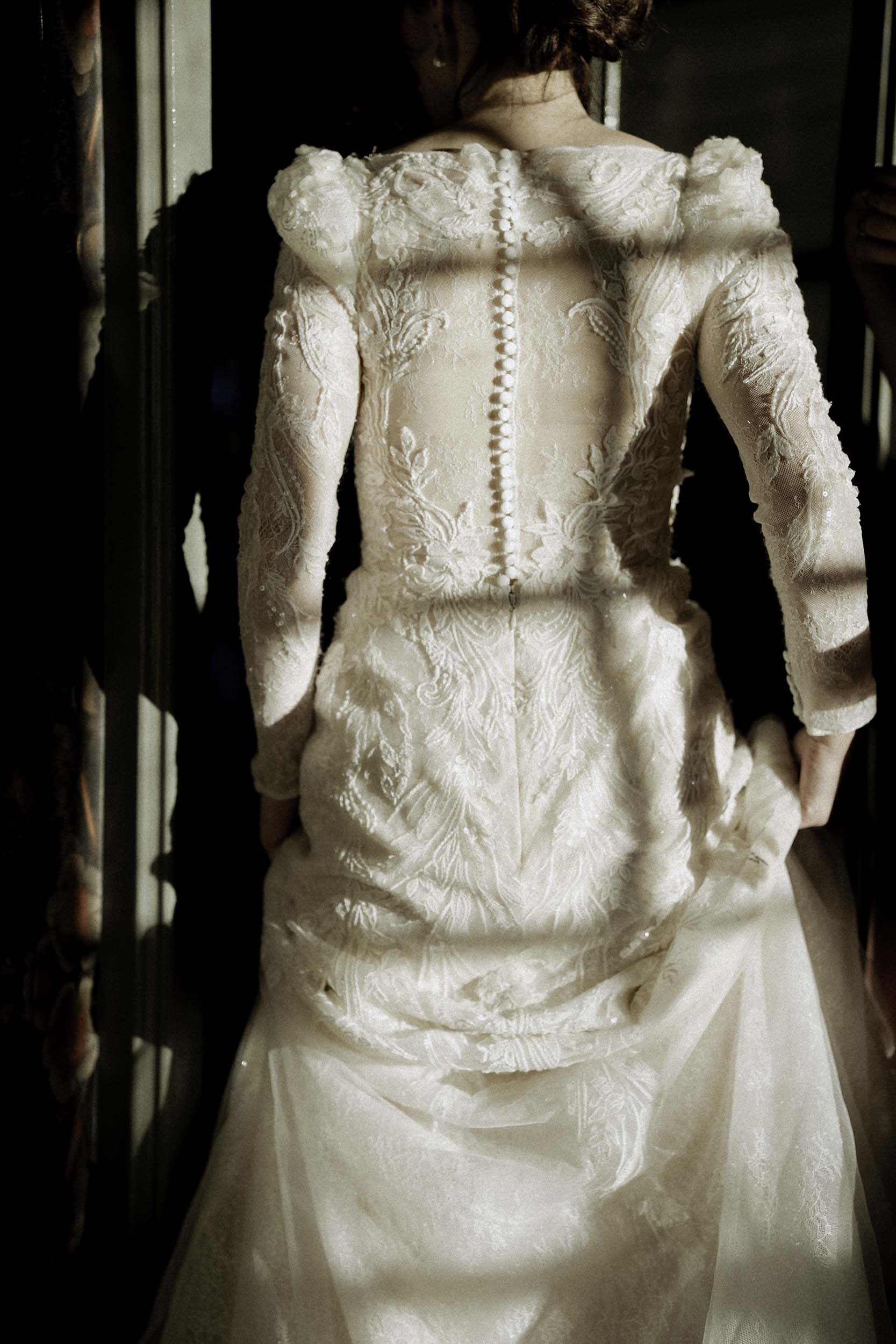
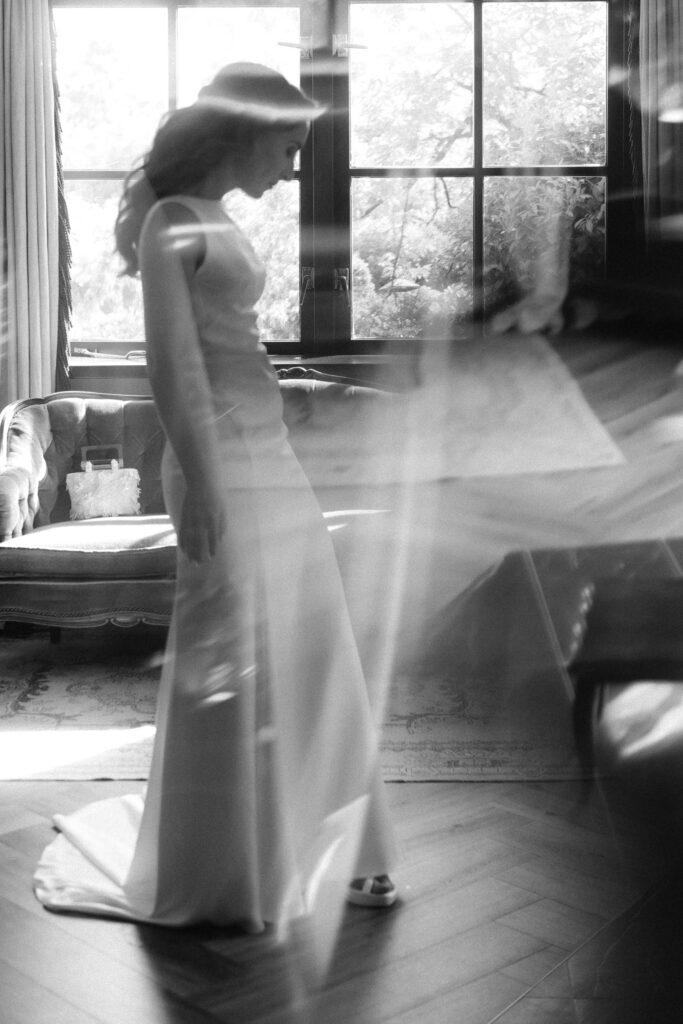
Putting on the dress typically takes about 30 minutes. Beyond the dress itself, there’s jewellery, shoes, and all the little sticky things to keep everything perfectly in place. Not to mention a quick bathroom break and possibly attaching the veil. Those 30 minutes go by in a flash.
It’s not just about getting dressed. It’s a ceremony in itself. The tension, the anticipation, and the smile on your face as you prepare to say your vows. Every side of the story is valuable, and capturing both partners gives a complete picture of the love and excitement on such a special day.
First Look
30 minutes
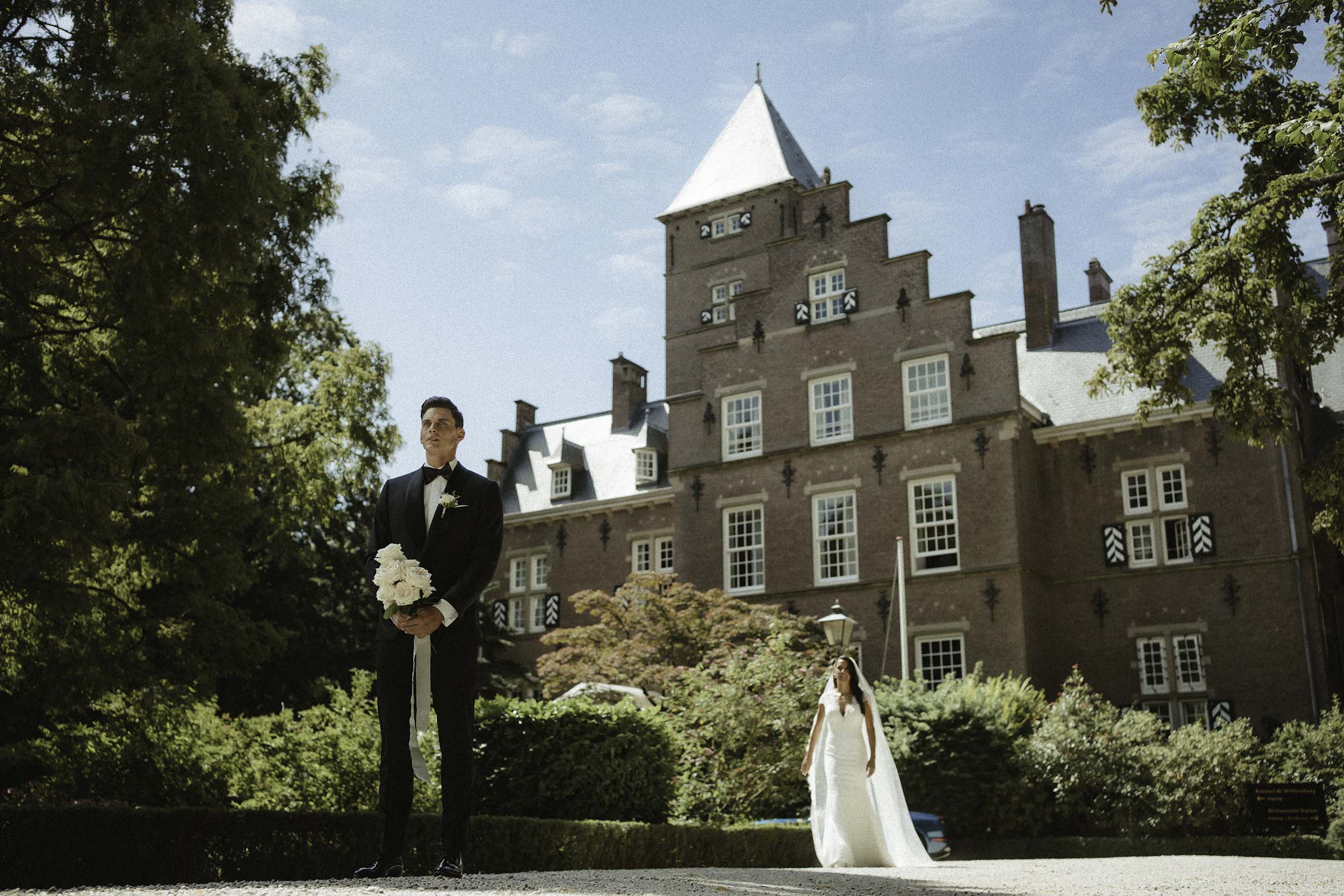
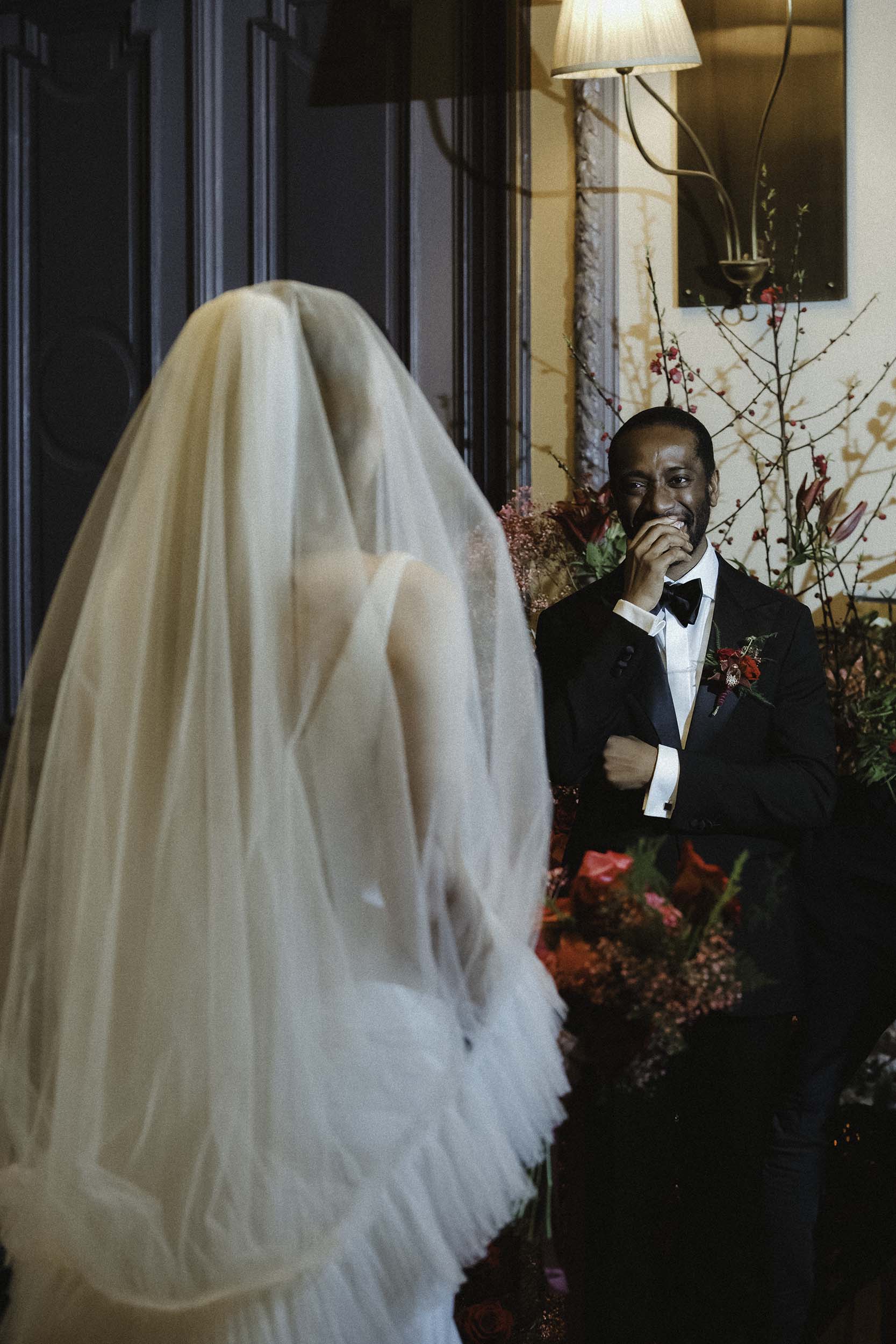
This is one of the biggest decisions in your timeline: see each other before the ceremony, or wait for the aisle. A first look gives you a private, calm moment together, often with time for lunch right after.
Skipping the first look means more anticipation, shared with everyone watching. Either way works. I’ll help you build the timeline around whichever one you choose.
Couple Photos & Family Formals
1 to 2 hours
If you’ve planned a first look, this is usually when your couple portraits and family formals happen, right after you’ve seen each other and before the ceremony begins. It means by the time you’re walking down the aisle, the photo list is already done, and the rest of the day is just for living in it.
Family formals work best capped at 20 minutes. Come with a list organised by group, parents, siblings, grandparents, the works, so nobody is standing around wondering who’s next. Couple portraits can take anywhere from 20 to 40 minutes, depending on the location and how many setups you want.
Ceremony
20 to 45 minutes
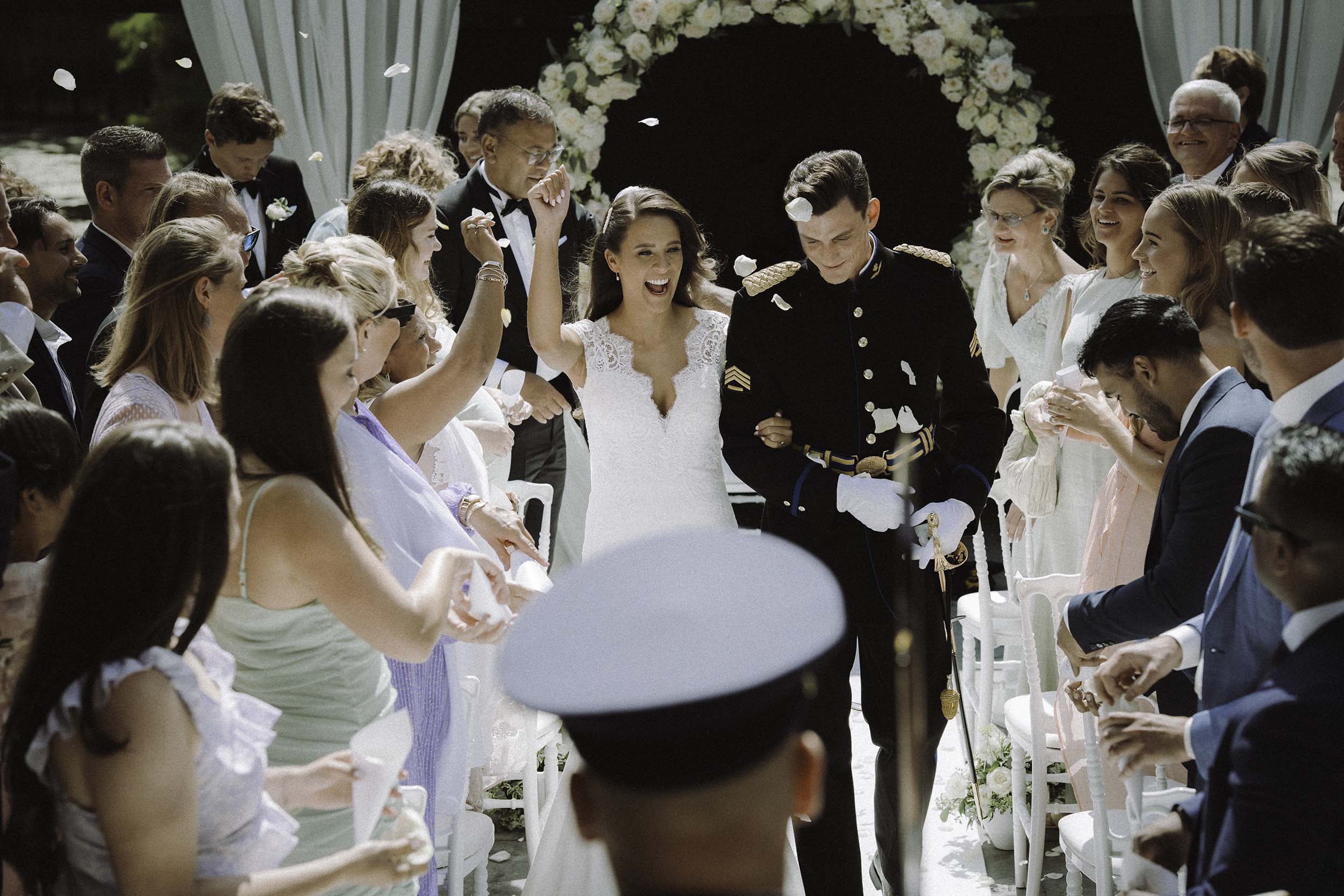
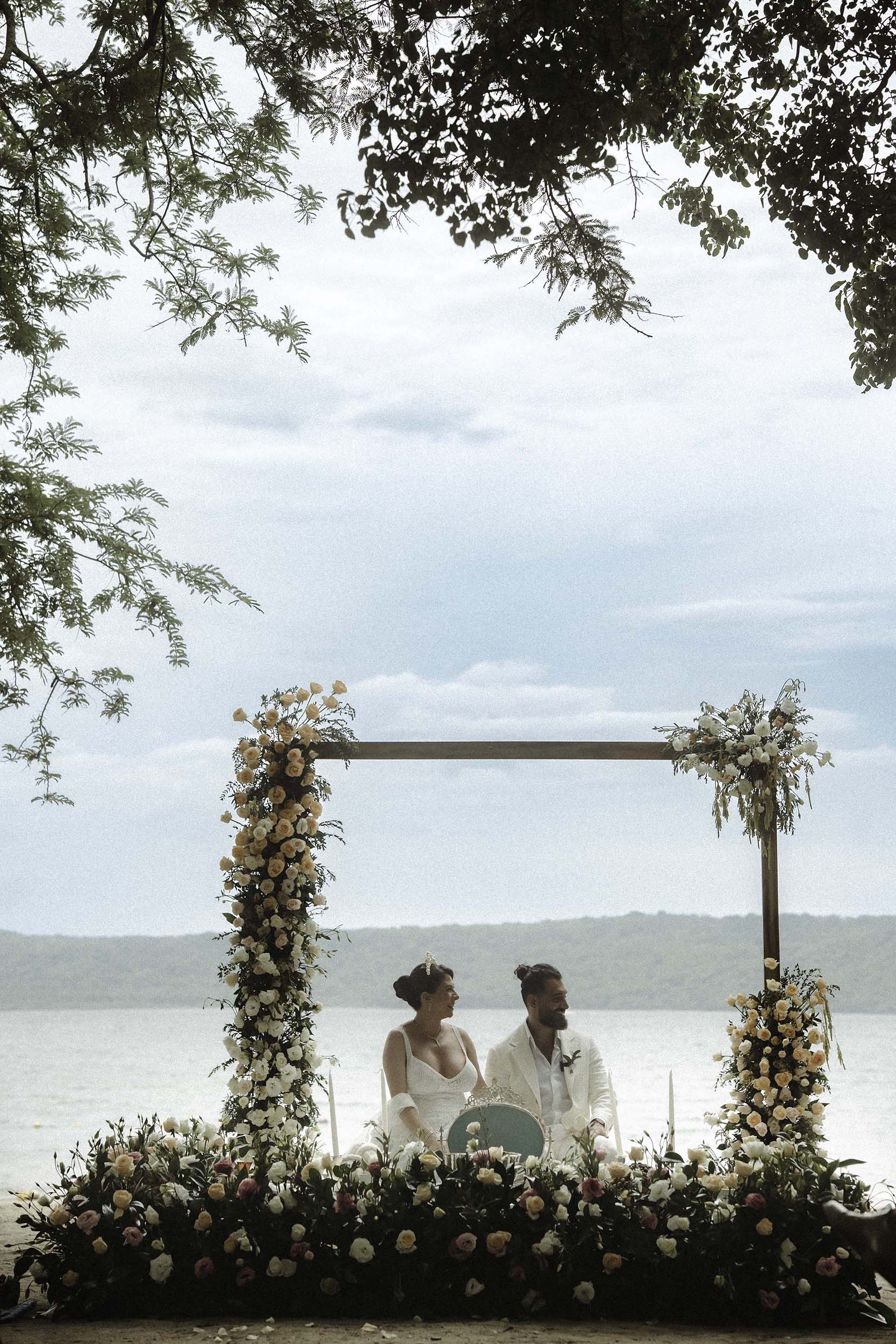
The moment everyone’s been waiting for. Most ceremonies run 20 to 45 minutes and are scheduled somewhere between early and mid-afternoon, depending on your culture and location.
If exchanging vows in front of guests feels too nerve-racking, you can say them privately during your photo session instead. Just know that vows during the ceremony tend to bring the whole room to tears, and that’s usually a good thing for your photos.
Reception/Cocktail Hour
About 1 to 2 hours
After the ceremony, everyone wants to congratulate you immediately. Before that happens, walk off the aisle and take five to ten minutes alone together. It’s enough time to actually catch your breath, and it covers however long your guests need to make their way to the cocktail or reception space, so you’re not making your entrance before anyone’s even arrived.
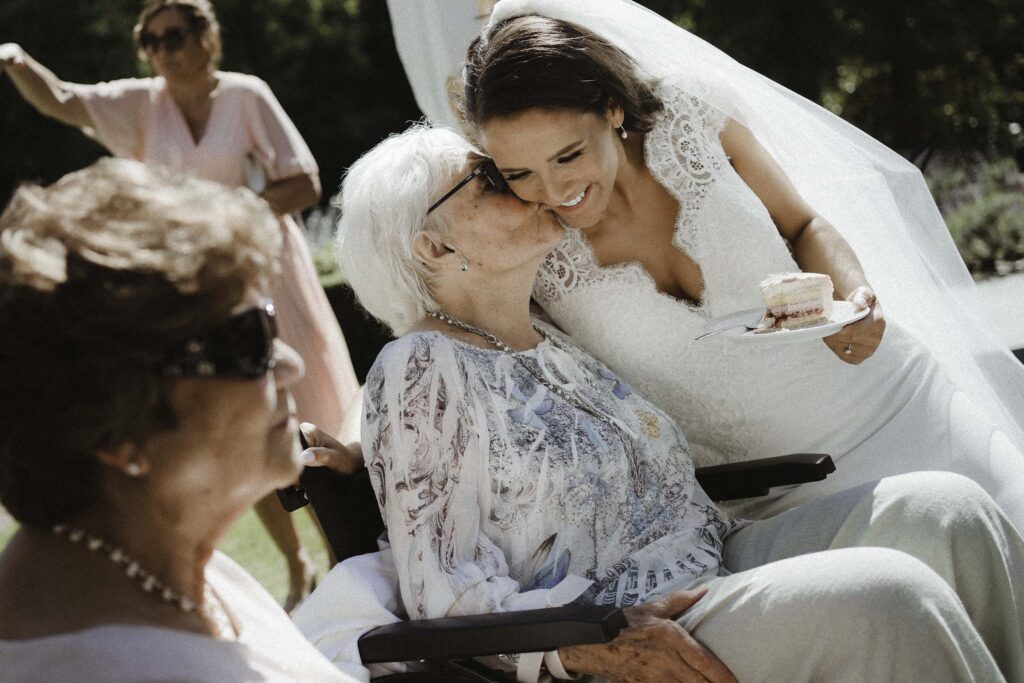
In Dutch culture, the toast and cake cutting usually happen right after the ceremony, before the reception gets going. It’s a nice way to avoid a long receiving line, since guests get a drink and a slice while they wait their turn. American and European weddings tend to save the cake for later in the night, somewhere between dinner and the dance floor, so build your photo time around whichever version fits your day.
Build in a buffer during the reception. This gives you a breather to let everything sink in, and perhaps freshen up. At multicultural weddings, this is also the moment to give space and attention to other traditions.
Family and Group Photos — 20 minutes
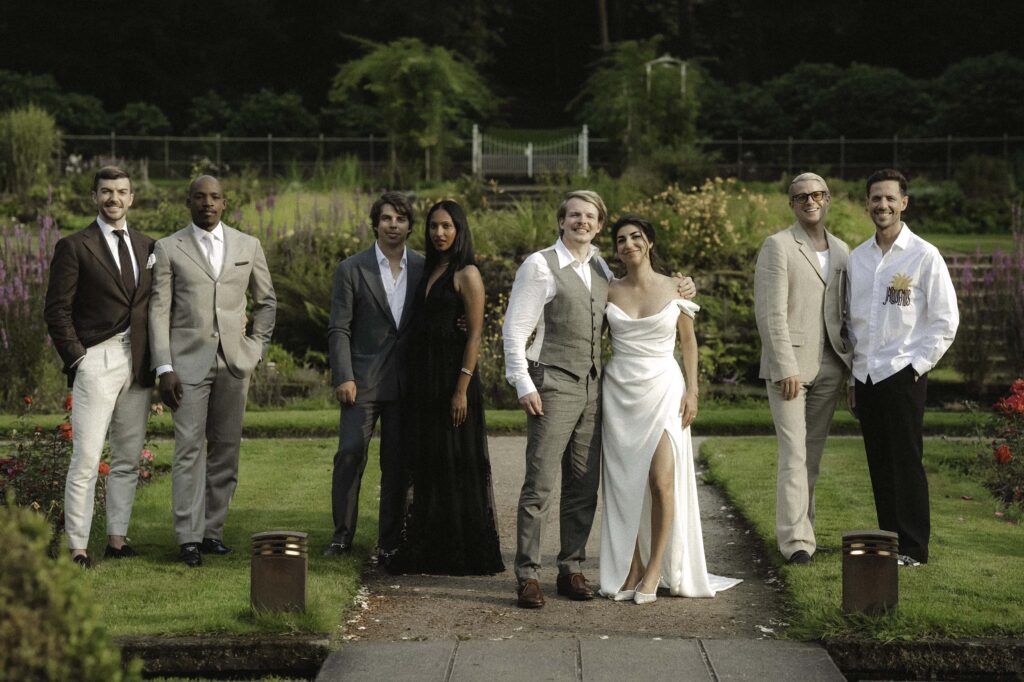
Consider taking family photos during the cocktail hour. This is usually done at Dutch weddings. Start with the full group, then break into smaller combinations. You’re already being photographed candidly throughout the day, so you don’t need to force every combination here.
Entertainment
Want to entertain your guests more during the reception? You could think of a bird of prey show, a dance act, or perhaps hiring a comedian for a custom performance!
Dinner & Speeches
About 2 hours
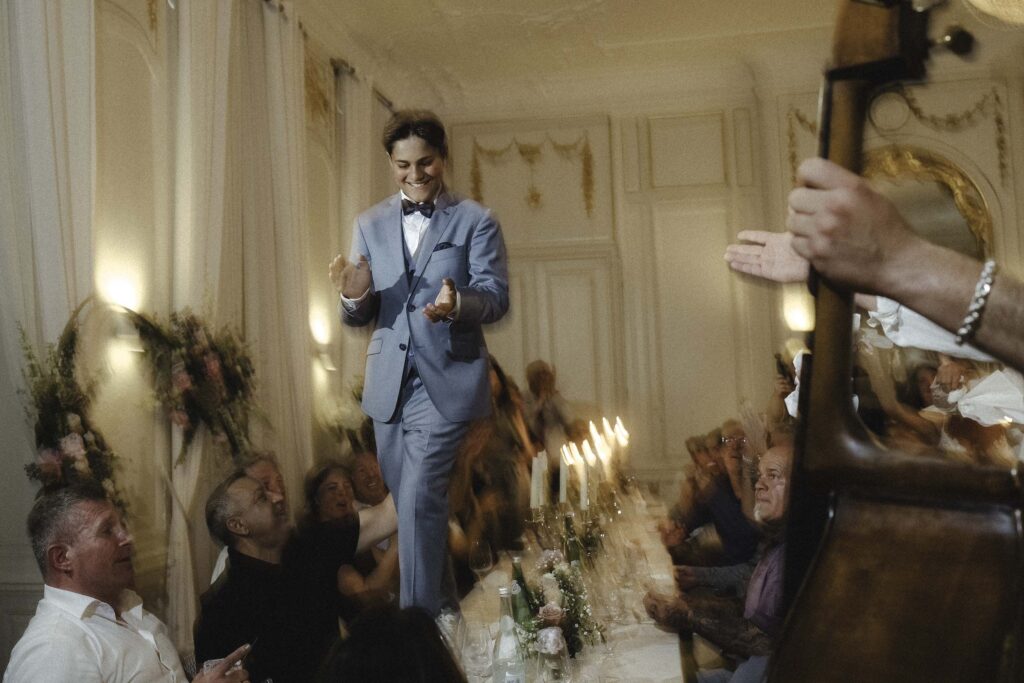
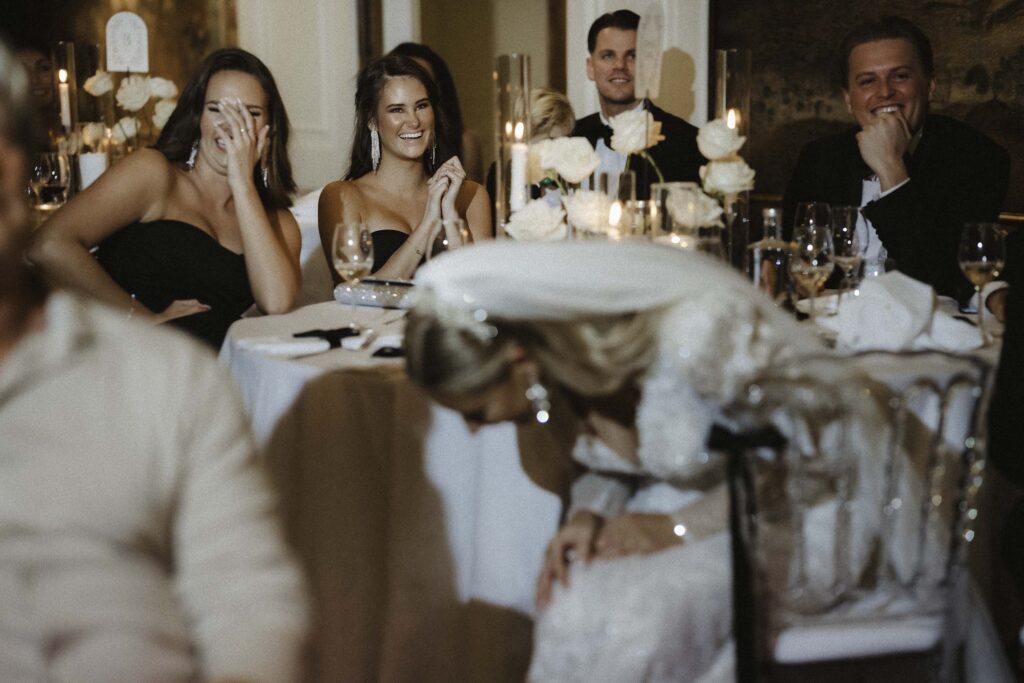
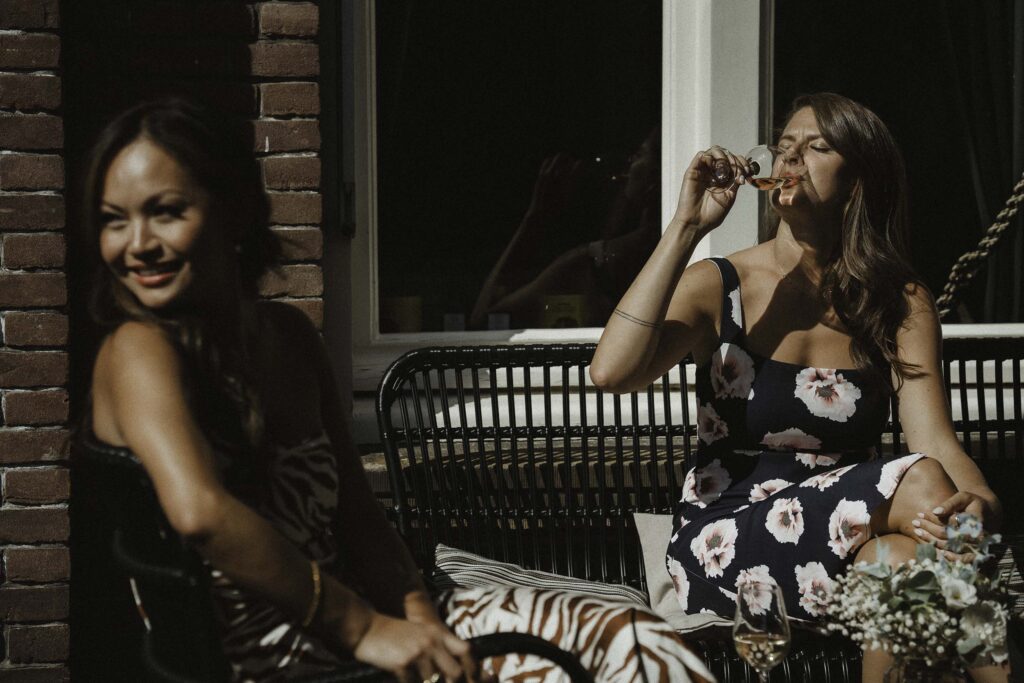
Time to sit down. This usually overlaps with speeches, and you just hope nobody overshares.
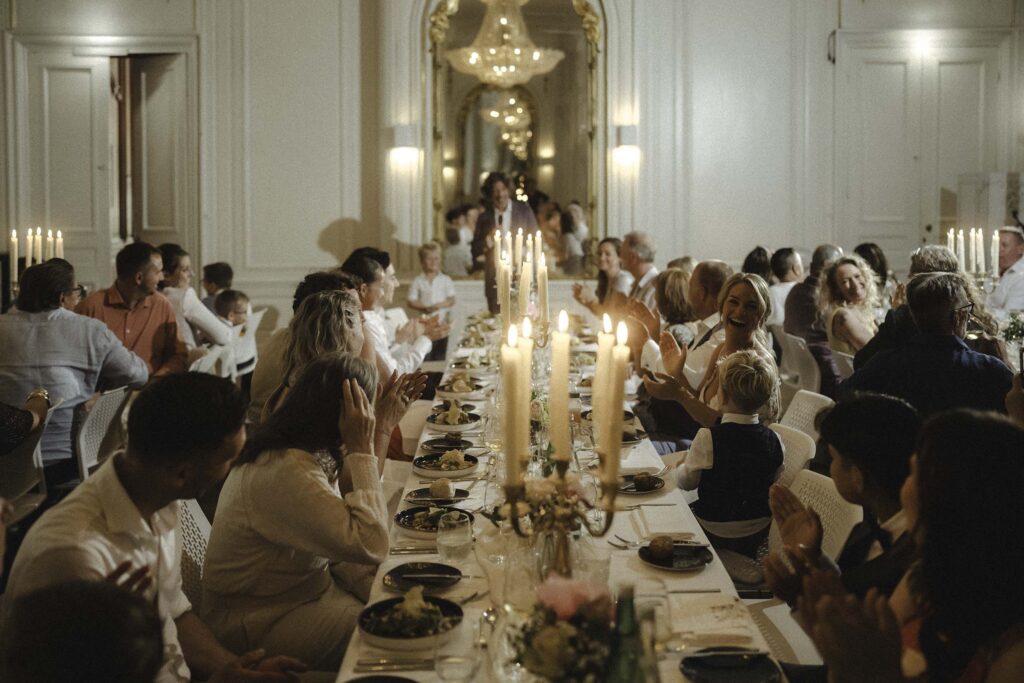
In American weddings, this is also where the formal reception kicks off. The wedding party gets announced into the room, you make your grand entrance, and dinner starts shortly after. Toasts usually land somewhere in the middle of the meal, followed by the first dance and a dance with each parent. It’s a lot of moments packed close together, so a clear order helps everyone, including your DJ or band, know what’s coming next.
Golden Hour Glamour
15 to 30 minutes
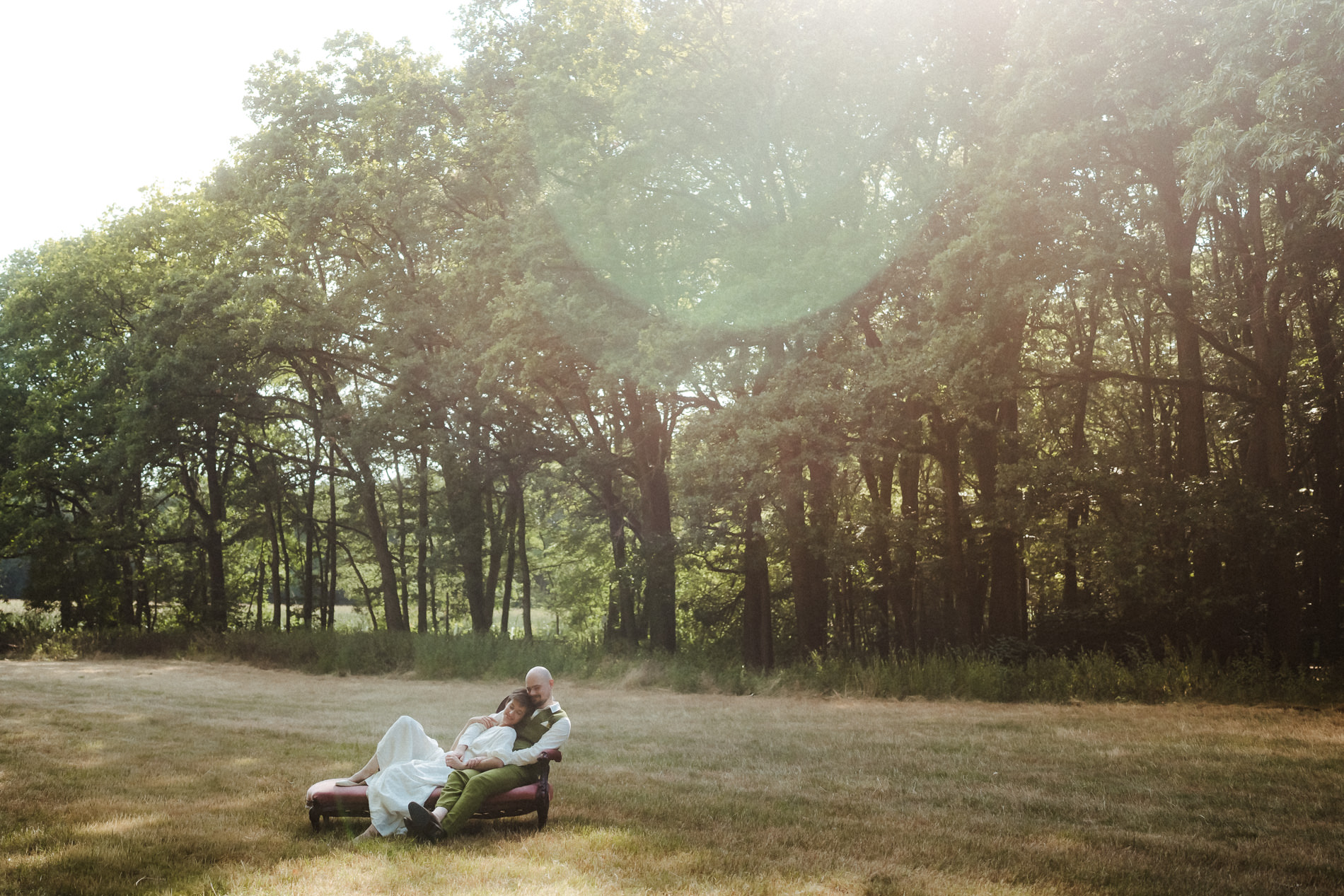
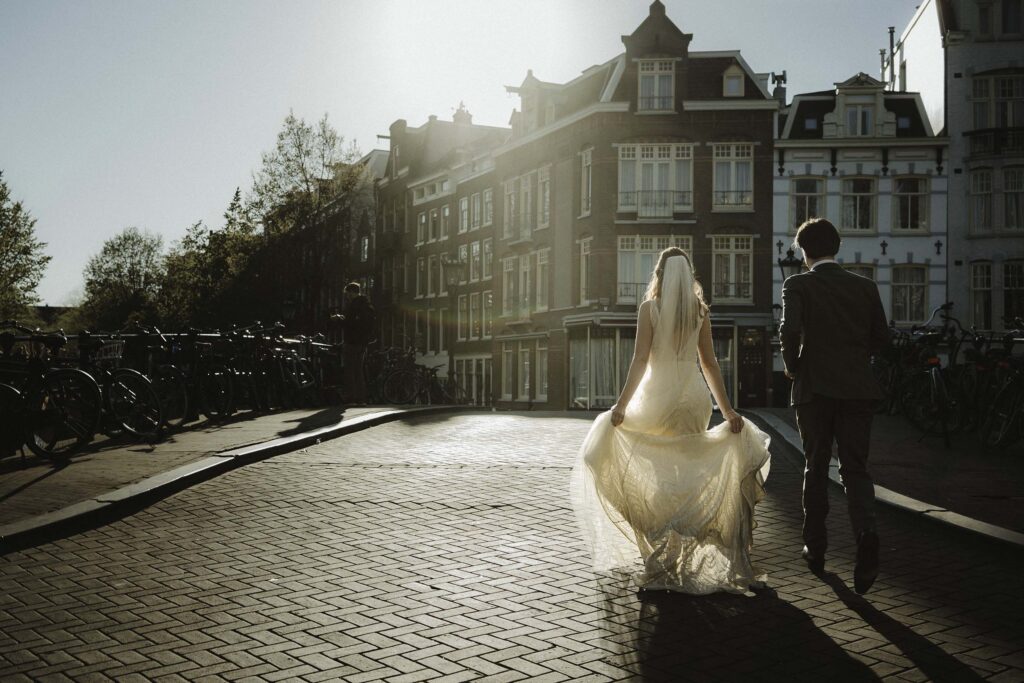
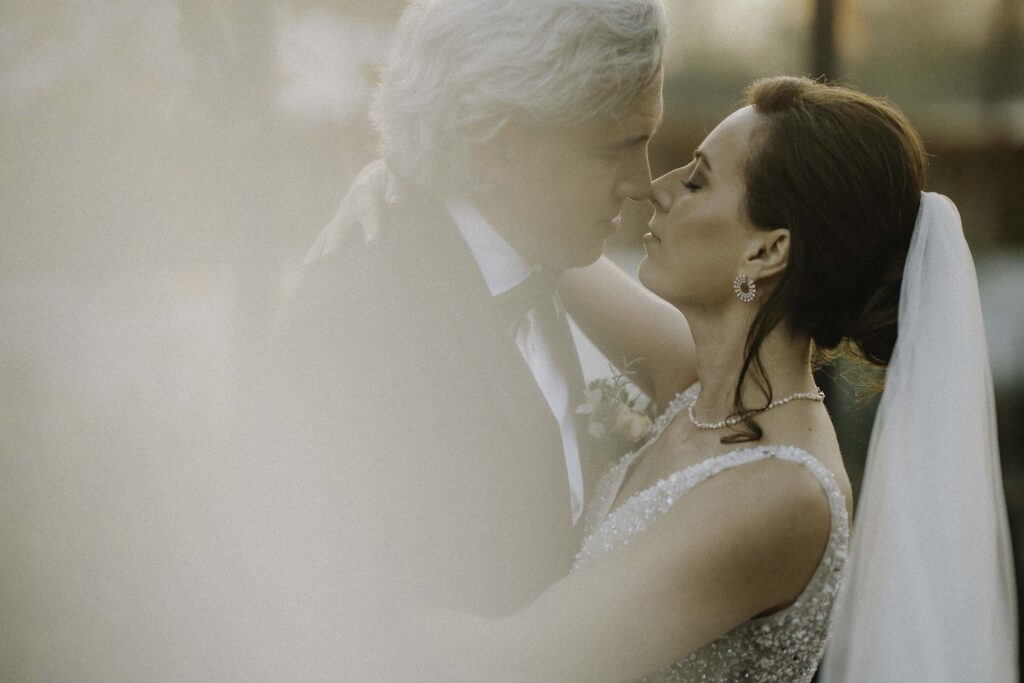
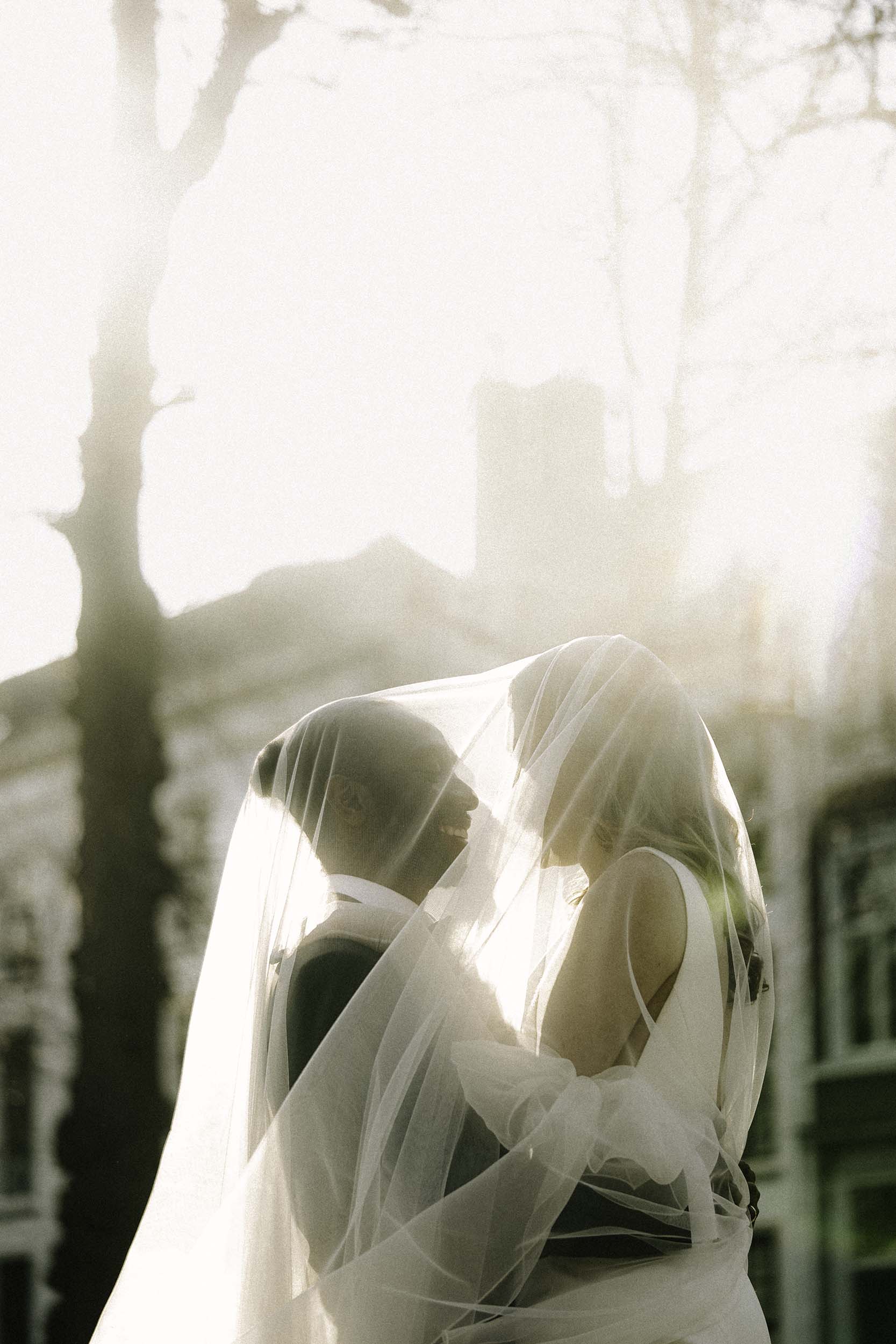
Depending on the time of year you’re getting married, the golden hour is something you truly should not skip. The golden hour is one hour before sunset. The soft, warm light during this magical moment of the day adds an ethereal touch to your photos. Even if you only plan for 15 minutes, it’s the secret ingredient for that dreamy, romantic look. You’ll be glad to have photos taken in the most flattering light, resulting in stunning images that often end up hanging on the wall.
Dancing!
Till the early hours
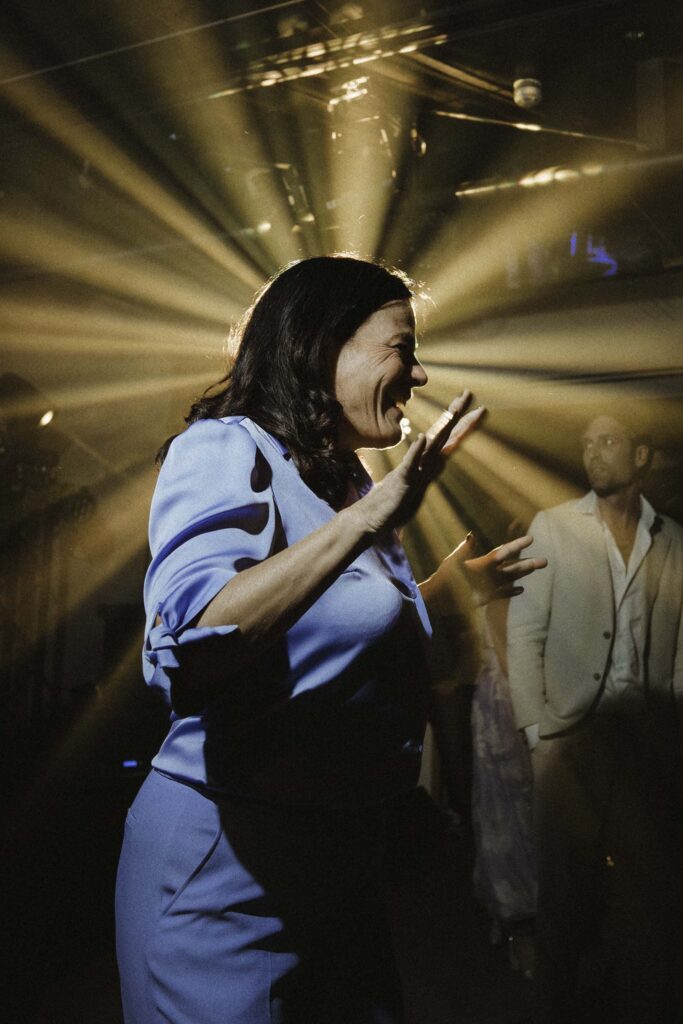
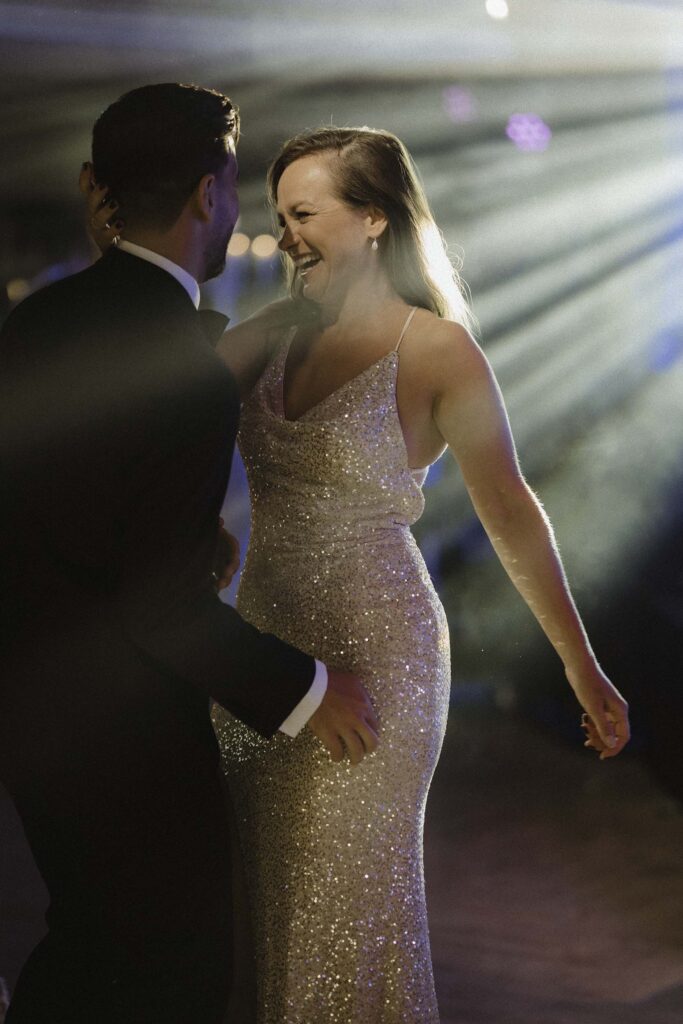
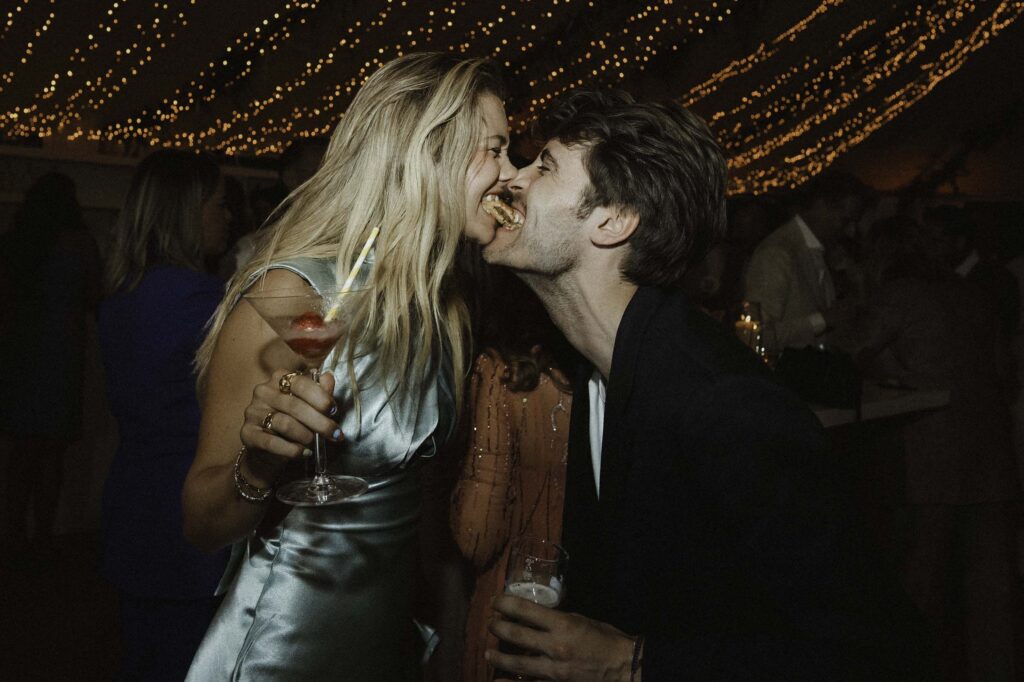
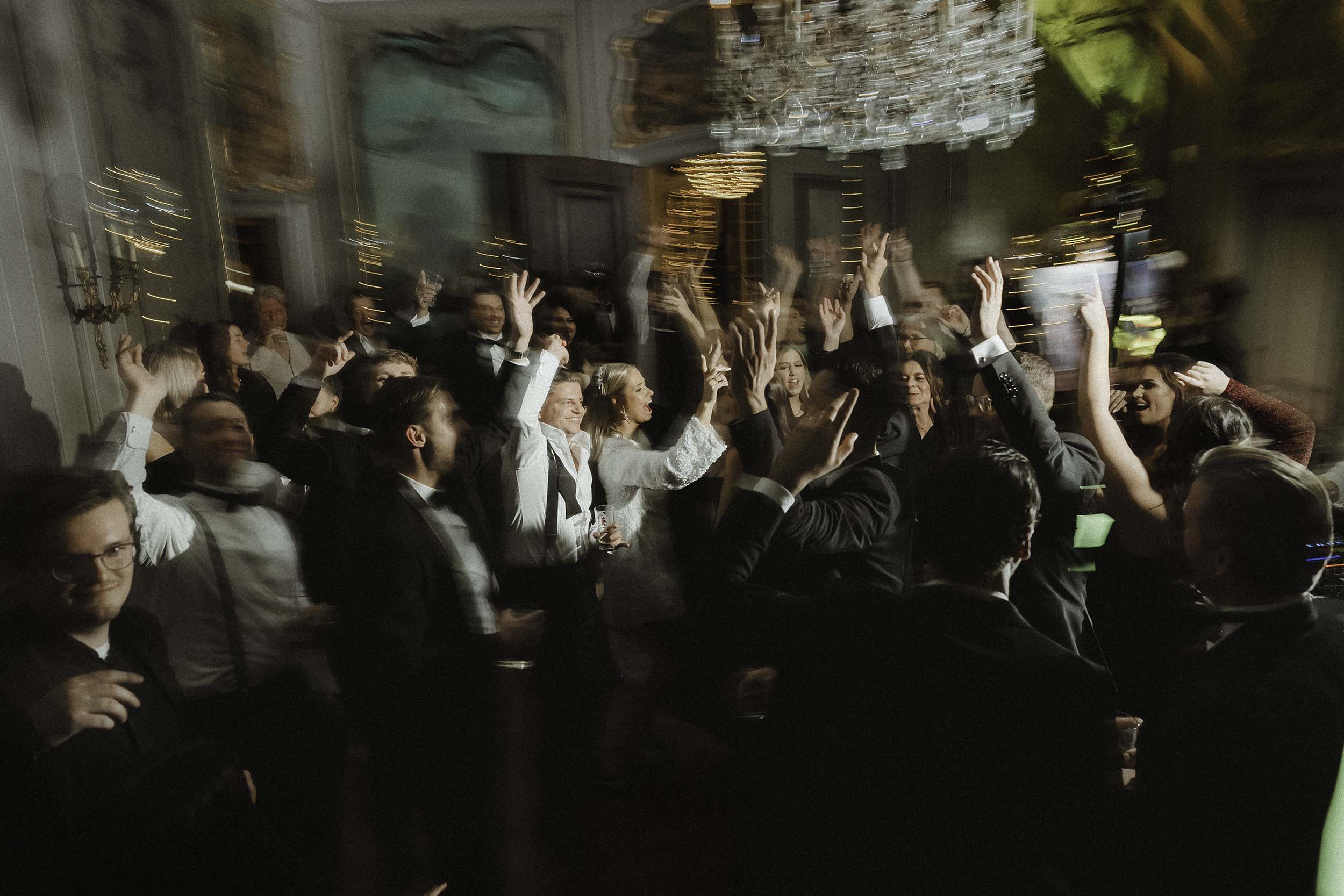
With the evening in full swing, we arrive at another highlight: the opening of the party. Opening dance, opening act, whatever fits you. The longer I stay on the dance floor, the more the night’s real energy shows up in the photos. Just know that evening only guests often want to say hello to people first before they hit the floor.
The Closing Moment
15 to 30 minutes
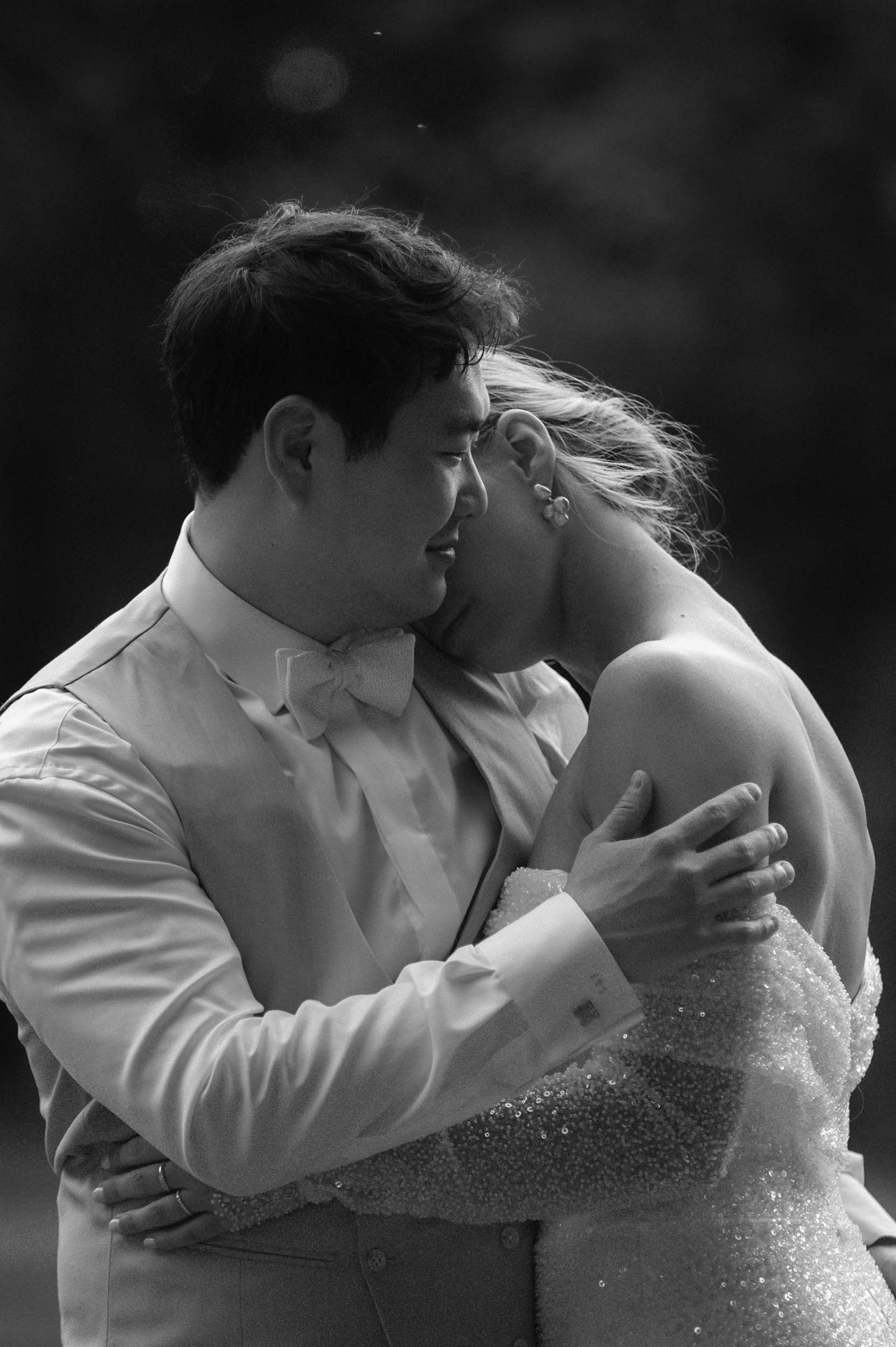
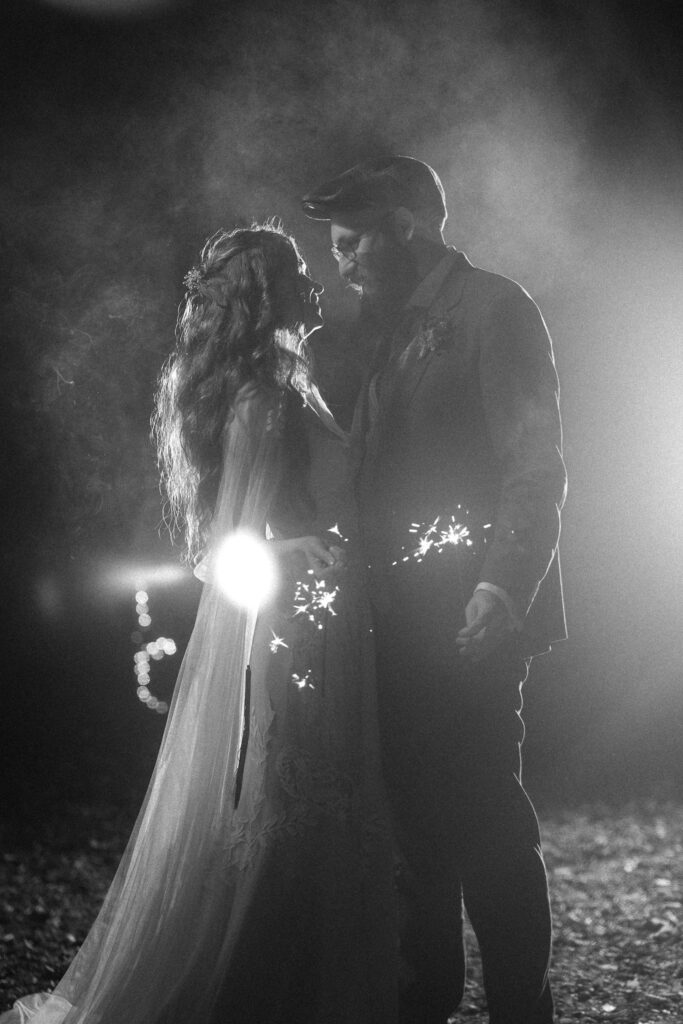
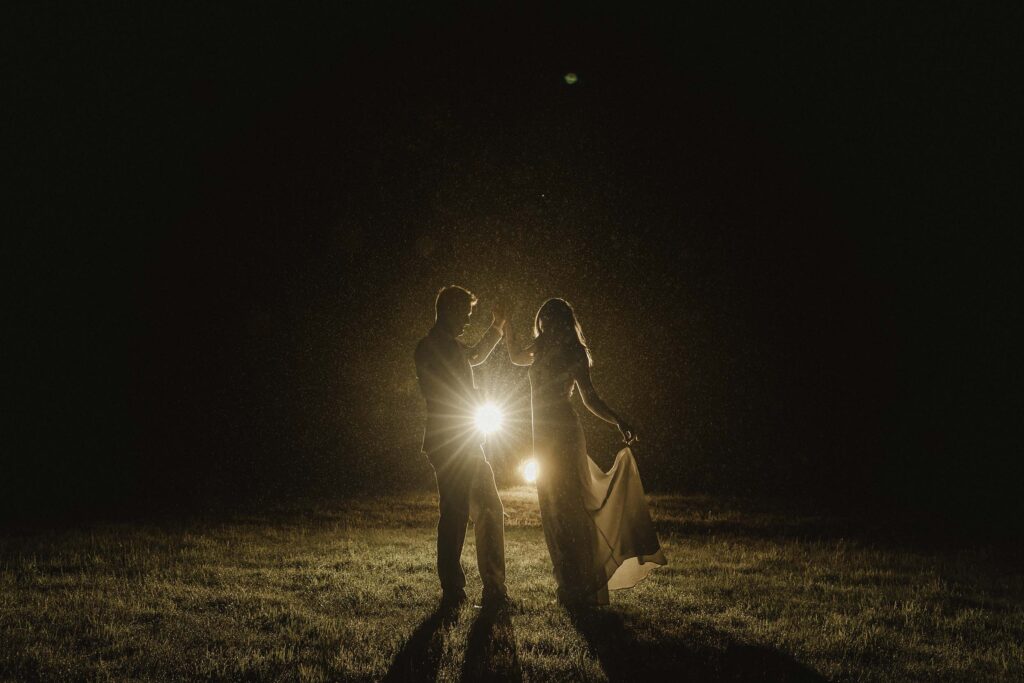
After an evening full of festivities and dancing, the end of the wedding is in sight. With just 15 minutes of quality time together, this moment offers an intimate close to the day. These photos become the final page of your album, and they tend to be the ones couples look at differently as the years go on.
It’s not just a visual ending, but also an emotionally significant moment that reflects the love and connection between you. The “Happily Ever After” photo captures the conclusion of an intense day
Timeline Tips
I’ve sketched out a general timeline for you. Of course, there are more options, but those need to be tailored to each couple. I always discuss this with my couples, and we create the best possible timeline that fits their wishes and needs.
Communication is Everything
Keep an open line with your photographer. A few weeks before the wedding, I go through the run-of-show with my couples, based on a questionnaire I send ahead of time. It keeps everyone’s expectations aligned and the day running without friction.
A timeline that includes these highlights ensures your wedding album tells the full story of your wedding. Don’t forget to leave room for those spontaneous moments: the silly dance-offs, heartwarming speeches, and unexpected bursts of laughter that will make your photos truly memorable.
Buffer Time is Non-Negotiable
Gaps between events aren’t wasted time; they’re where the best unplanned photos happen. Expect the unexpected, and leave room for it.
Protect Time Just For the Two of You
Every wedding is unique, and any timeline, including the ones below, is a guideline, not a rulebook. The one thing worth building into any version of your day: a few quiet minutes alone together. Before the ceremony, right after it for about ten minutes, before dinner starts, and before the party opens. These aren’t downtime. They’re where you actually take in what’s happening, instead of only seeing it later through photos.
Trust Your Photographer’s Expertise
Trust the expertise of your photographer. After 200-plus weddings, I’ve learned that almost every “problem” on a wedding day is just an opportunity for a better photo. Lean on that experience for timing, light, and locations.
Relax and Enjoy the Ride
It’s your day! Embrace the unexpected, laugh at the bumps, and enjoy every moment. A relaxed couple equals stunning photos. Your joy and ease will radiate through the images, creating a visual story of a day filled with love and laughter.
Three Real Wedding Timelines You Can Copy
A great timeline not only leads to stunning photos, but it also ensures you can enjoy every second of your wedding day.
Wedding timelines shift depending on where you’re getting married and what traditions you’re working with. Here are three real ones: Dutch, American, and European destination style. Use them as a starting point, not a rulebook. It’s your day, not a template.
Dutch Timeline
9:00 Getting ready
11:30 Lunch
12:30 Portraits and put on the dress
13:30 First look and Couple photos
15:00 Ceremony
15:30 Toast, cake, and reception
17:00 Photos with guests
17:30 Couple time and photo session
18:00 Dinner
20:30 Freshen up and golden hour
21:00 Party
23:00 Closing photos
American Timeline
This is the most common pattern I see for US weddings: single venue, first look as the default, and a reception built to wind down by midnight.
10:00 Getting ready
14:00 Portraits and put on the dress
14:30 First look and Couple photos
16:00 Bridal party photos and family formals
16:30 Hide from guests and freshen up
17:00 Ceremony
17:30 Cocktail hour
18:30 Grand entrance and dinner
20:00 Cake cutting and dessert bar
20:15 First dances
20:30 Open dance
20:45 Sunset photos
23:00 Closing photos
European Timeline
Built around the pacing I see most often on Italian, French, and Spanish destination weddings: a later ceremony to dodge the afternoon heat, an aperitivo hour, and a long, unrushed dinner before the dancing starts.
10:00 Getting ready
13:00 Lunch
13:30 Portraits and put on the dress
14:30 First look and Couple photos
16:00 Ceremony
17:00 Aperitivo and cocktail hour
18:00 Family portraits
18:30 Dinner
20:30 Freshen up and golden hour
21:00 Cake cutting
21:30 Party opens
23:00 Closing photos
If you’re an expat or planning a wedding across two cultures, none of these has to be followed exactly. I work with couples blending traditions all the time, and the timeline is one of the easiest places to make room for both. You don’t need to explain yourselves here. You are understood.
faq
Got QUESTIONS
How far in advance should I plan my timeline?
I built the final run of show with my couples a few weeks before the wedding, based on a questionnaire sent earlier in the planning process. That said, a rough draft of your timeline is worth sketching as soon as your ceremony and venue times are locked in.
How many hours of photography coverage do I actually need?
Most weddings need 10 to 12 hours, starting with the last part of the getting ready and running through the first hour or two of the party. Smaller or single-location weddings can sometimes work with less. I’ll help you land on the right number once I see the shape of your day.
What happens if the schedule runs behind?
It happens more often than people think, and it’s rarely a problem. A good timeline has a buffer built in for exactly this. If something runs long, I adjust on the spot rather than rushing you through the moments that matter.
Should my other vendors see the final timeline?
Yes. Your planner, venue coordinator, DJ or band, and hair and makeup team should all be working from the same version. It keeps everyone on the same clock instead of guessing, especially around transitions like the grand entrance or first dance.
Does a destination or multi-day wedding need a different timeline?
Often, yes. Multi-day celebrations and destination weddings tend to spread traditions, ceremonies, and travel across more time, so the structure looks different from a single-day, single-venue wedding. I build these individually rather than stretching a standard template over extra days.
What’s the most common timeline mistake couples make?
Underestimating how long getting ready takes, and overestimating how fast family photos go. Both add stress exactly where you don’t want it, right before the ceremony.
Your Picture Perfect Plan
A great timeline doesn’t just lead to better photos. It lets you actually live inside your own wedding day instead of managing it.
I photograph a limited number of weddings each year, so I can build this kind of timeline with every couple personally, not from a template. If you’re planning a wedding that crosses cultures, countries, or just want to feel like an honest version of you, let’s talk.